our mission
Pray Funeral Home's mission is to enhance the well being of the families of our community by creatively meeting the changing needs of those we serve by providing respectful, dignified service, creative personalization, staff assistance, and aftercare in a comfortable and caring environment.To be an essential part of the community by providing professional resources, and participating in local organizations and projects.

Experience the Difference
We invite you to discover who has made Pray Funeral Home, Inc the ultimate provider of creating healing experiences in the community. This section contains the heritage, vision, and the people behind Pray Funeral Home, Inc's reputation of quality, sincerity, and trust.
-

Our Promise
Pray Funeral Home does everything possible to remove the limits on the services we provide to families we take care of. We are proud to make promises to all of the families we serve that will ensure all needs are met with compassion and understanding.
Read more about Our Promise -
History & Staff
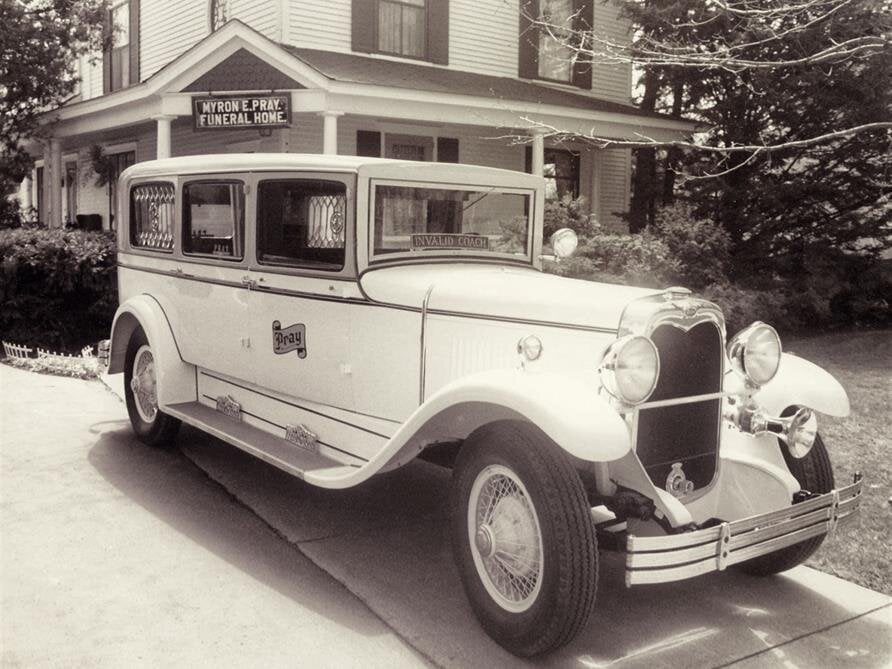
We have years of experience caring for families, from all walks of life. Each family comes to us because they know we are leaders in our profession, dedicated to excellence in service, and have the highest integrity.
Read more about History & Staff -
Facilities & Directions
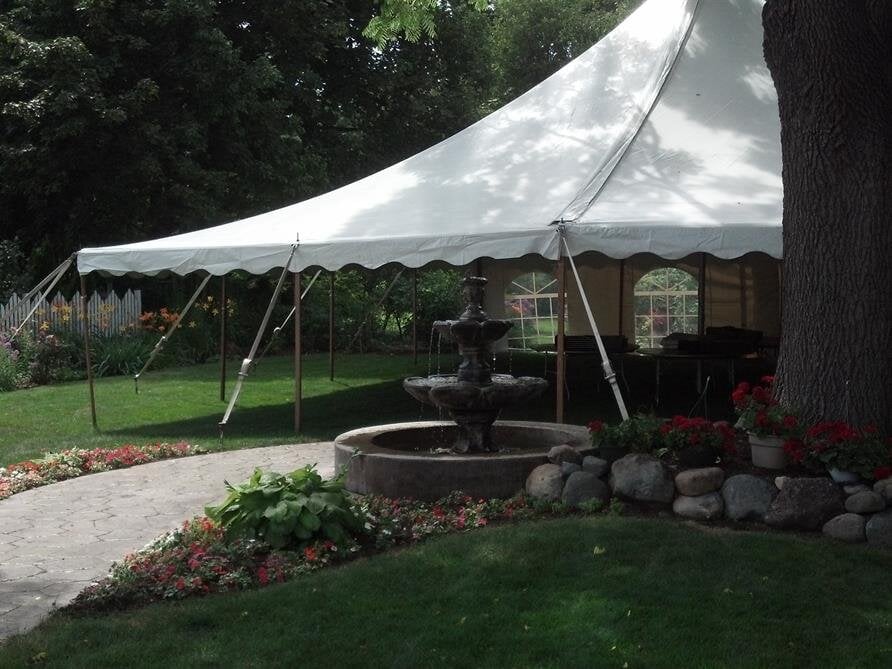
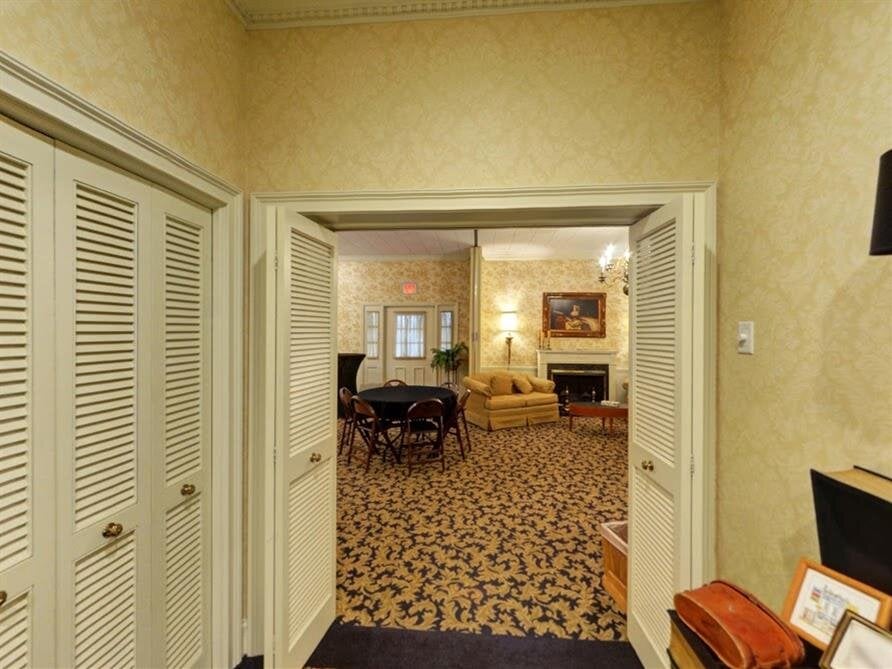
We have a flexible and welcoming facility nestled in a quiet neighborhood across from Oak Park in Charlotte. We can host funeral, memorial, and banquets both inside our funeral home, and outside in the gardens behind the funeral home.
Read more about Facilities & Directions -
Awards
We strive to continue to provide compassionate, unique, personalized and world-class services to our community. And we are proud that our efforts have been recognized by a huge variety of organizations.
Read more about Awards -
Testimonials
Our goal is to provide our client families with memorable remembrance experiences. Celebrations of their loved one's life, and the time they shared. So who should speak of our success? That's easy; those we've served. Our words are expected, while theirs genuinely share their feelings about our services.
Read more about Testimonials -
Community Events
We give every family in our community unique opportunities to learn, share, and remember. Each of our educational, grief support or remembrance events is designed to appeal to a wide age range, including adults and children. It is our intention to enrich lives, educate minds, and ease sorrows.
Read more about Community Events -
-